Aesthex 🌿
Your Skin. Your Data. Your Future.

My Role :
Led the end-to-end design process - from user research and competitive analysis to wireframes, personas, and high-fidelity UI. Designed predictive AI flows, built the prototype in Figma, and iterated based on feedbacks.
Timeline :
Research (3 weeks):
Competitive research and Initial concept presentation.
Design and Feedback (6 weeks):
Planning and design.
Impact :
Figma & Procreate:
Workflows, wireframes, high-fidelity UI, interactive prototypes, Initial concept sketches and early - stage visual ideation.
Google Meet:
Initial concept sketches and early-stage visual ideation.
My Team :
Satwik Raj
Derrick Sherwin
Salyna Chhorm
Ritwika Mandal
Project Overview 👀
Despite access to countless products and advice, users are still navigating skincare blindly. They hydrate, sleep, and apply sunscreen—but without clear feedback, they don’t know what’s working. Most apps focus on products or filters, ignoring the real-life behaviors that quietly shape our skin over time.
In fact, over 85 million Americans suffer from skin conditions yearly, yet few platforms connect that to everyday lifestyle patterns like sleep deprivation, UV exposure, or dehydration.
Source: American Academy of Dermatology.
The Realization: We’re Tracking Everything … Except Our Faces 🤯
Skin is the first thing people notice.
It’s also the last thing most people understand.
Most skincare apps will tell you what your skin looks like today.
Some will offer products. Others give you filtered selfies or generic scores.
But no one tells you the one thing that actually matters:
That’s what Aesthex set out to answer.
Most skincare apps track data but don’t explain why skin changes happen. What was missing is a clear, predictive insight linking daily habits like hydration and sleep to visible skin health. Below, I’ve mentioned the 3 key things missing in the current scenario.
Users were putting in effort - but seeing no feedback loop.
Logging skincare, drinking water, wearing SPF… but still getting unexpected changes.
No one connected skin changes to behavior.
UV, hydration, and sleep all affect the skin, but most apps ignore them.
Everything was reactive, not predictive.
People wanted to understand patterns before the problem showed up - not after.
Skincare can feel like a guessing game. People try their best—drinking water, wearing sunscreen, getting sleep—but still wake up unsure why their skin looks better or worse. These questions helped us design a tool that makes things clearer. Instead of reacting to problems, what if users could understand what’s causing them—and prevent them before they start?
How might we give users visibility into how their behavior today will impact their face tomorrow?
How might we make invisible factors like UV, sleep, and hydration easy to understand?
How might we turn skincare from something reactive and confusing into something clear and proactive?

To better understand the problem, we took a deep dive into both the market and real user experiences. We identified key pain points by conducting user interviews and gathering feedback from our peers and faculty during in-class concept presentations. We also ran a competitive analysis to see how existing apps address these issues - and more importantly, where they fall short. This helped us uncover meaningful opportunities to create a more helpful, proactive skincare experience for users.

We spoke to four people — each with different routines, skin types, lifestyles, and habits. Interestingly, three out of four said they actively track their sleep and water intake, go to the gym whenever possible after work or college, and are consistent with their skincare routines.

To dive deeper, we conducted a competitive analysis to understand what similar apps were already offering. This helped us identify what users were familiar with and where the gaps were. Our goal was to design an experience that felt intuitive and relatable, rather than introducing something completely unfamiliar. We found that none of the existing apps connected behavioral data with predictive AI and visual feedback - which revealed a unique opportunity for Aesthex to stand out.

Very few app shows how sleep, sun, or hydration impact your face.
Opportunity: Aesthex makes those invisible choices visible.
People track products, but still guess results.
Opportunity: Aesthex connects actions to real facial changes over time.
Other apps track the past.
Opportunity: Aesthex looks ahead and before - forecasting how your skin will look based on your behavior.
I created two personas based on users' lifestyles and frustrations, reflecting the current problems they face. These personas help me better articulate and frame the core user problems more effectively.
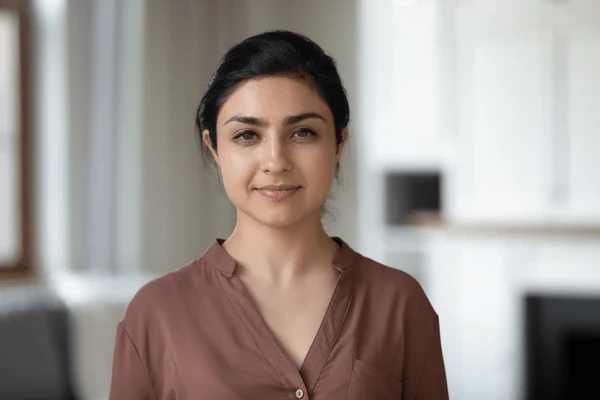
Anika
27 • Female
Occupation: Visual Communication Designer
Lifestyle: Busy multitasker juggling deadlines and personal life; seeks simple, no-fuss routines with reliable outcomes.
Personality: Practical, values efficiency and trustworthy recommendations.
Frustrations:
Despite having a routine, results vary. She feels overwhelmed by generic advice and too many product choices, making it hard to stick to anything consistently.
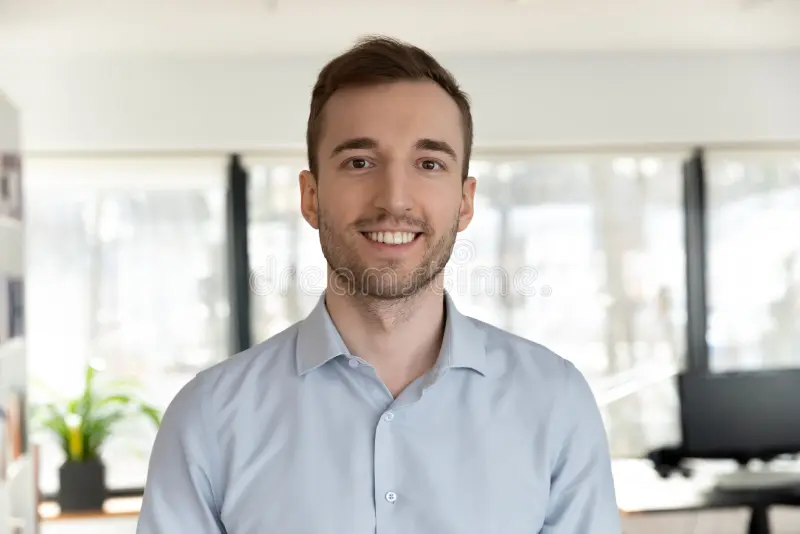
Christan Barbbieri Wittwer
43 • Male
Occupation: Berlin Interpreter
Lifestyle: Minimalist approach to skincare. Prefers facts and evidence. Uses SPF only in high-risk conditions.
Personality: Analytical, results-focused, values practical and time-saving tools.
Frustrations:
Unlikely to commit to a routine without proof it works. Needs smart, timely reminders to avoid lapses that negatively impact his skin.
Once we clarified our goals and identified the core problems, we began brainstorming and created the first-level wireframes for internal discussions. We gathered feedback from fellow designers to ensure our direction stayed aligned with user needs. Through this process, we uncovered two crucial issues during the discovery phase - and decided to dive deeper into them. Below, I’ll explain how we addressed and enhanced those areas in the next phase of the design.
Now that we had a clear understanding of the core problem and some initial ideas in mind, we began with benchmarking, rough sketches, and early wireframes. This helped us align as a team and ensure our direction made sense before moving forward. Below are some of the initial ideation and collaborative wireframes created during this early phase.
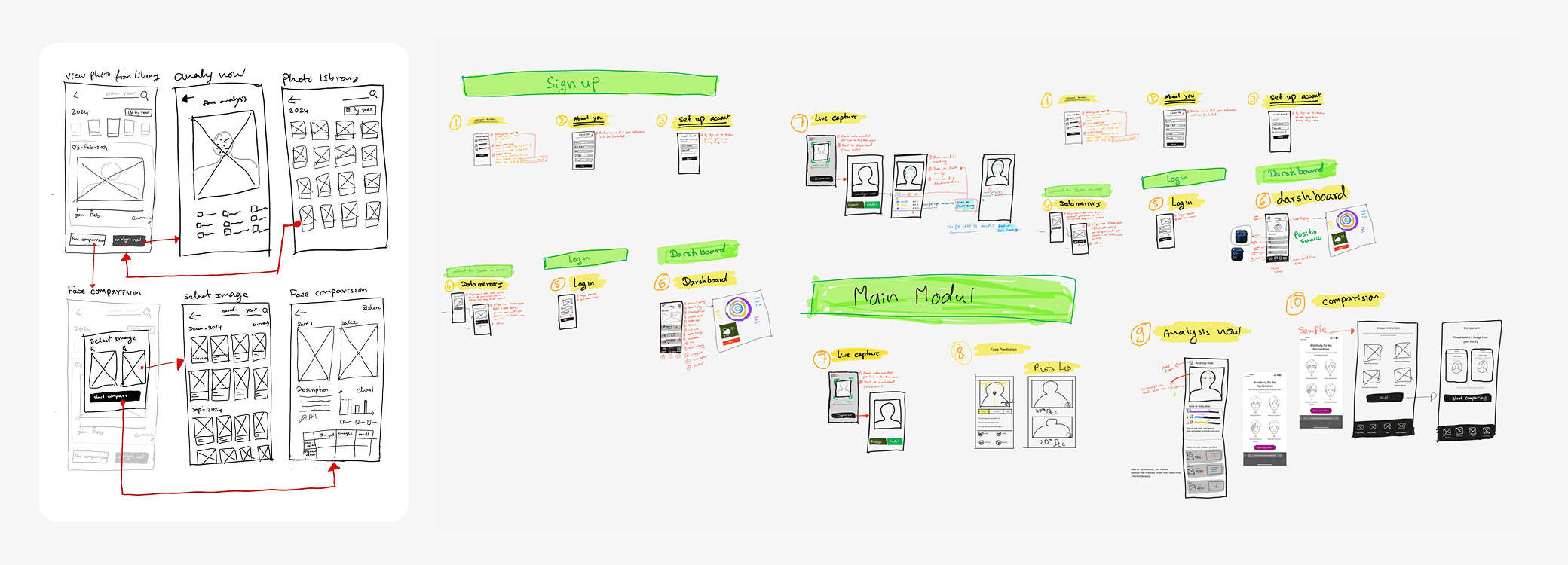
We finalized the basic idea and presented it during the lecture, where we received critical feedback that helped clarify and improve our concept.
(The feedback suggested simplifying the app by focusing only on trackers that directly affect scores and can be presented in a more logical way, as the current approach was seen as “tracking too many things.” Specifically, it was recommended to remove the diet tracker because it “requires constant user input” and negatively impacts the user experience.
Regarding the future photo prediction feature, it was noted that “photoshopped images don’t work effectively” and should be replaced with “AI-generated real predictive images.” Additionally, we were advised to add an “initial questioning screen” to help users better understand the type of questions being asked.)
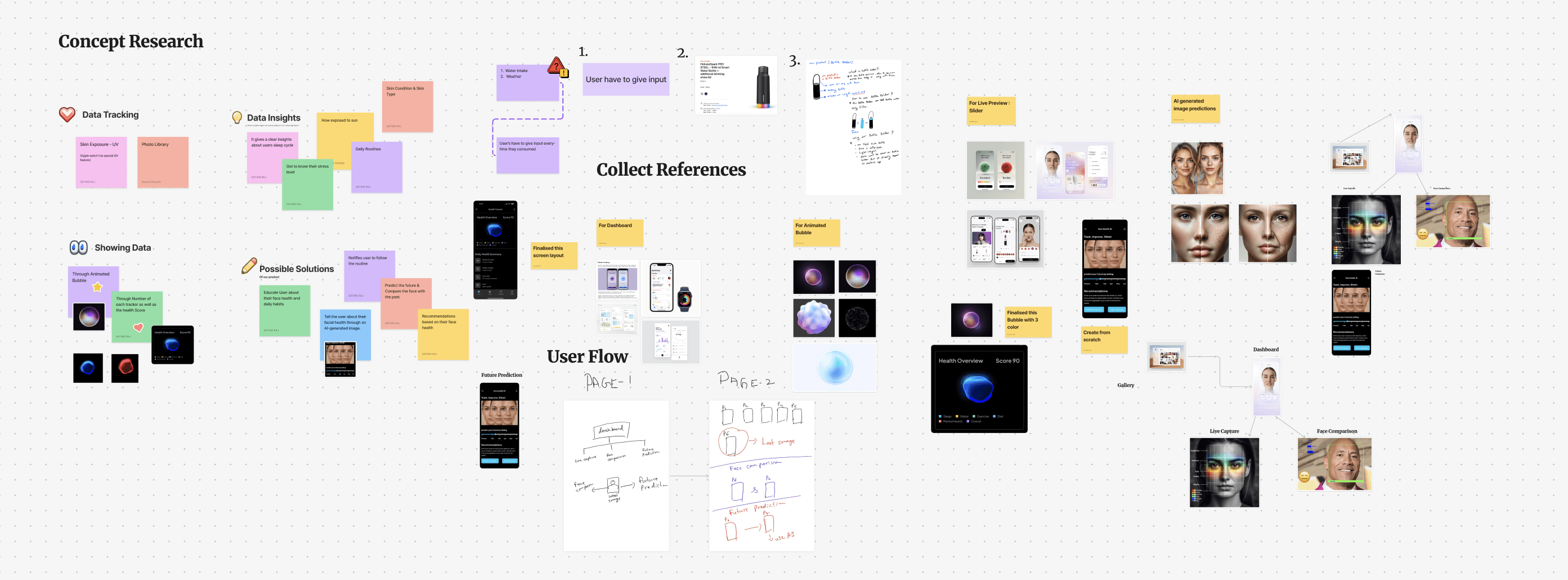

After receiving multiple rounds of feedback from both faculty and peers and even facing a rejection - we realized that our initial solution was hard to understand and did not clearly convey the problem we aimed to solve. It also presented usability challenges, especially for less tech-savvy users.
However, this journey through feedback proved incredibly valuable. Each critique offered new insights, helping us gain clarity and ultimately guiding us toward the right direction. Now, we are confident that we are developing a solution that addresses the core problem simply, effectively, and with the user’s needs at the forefront.
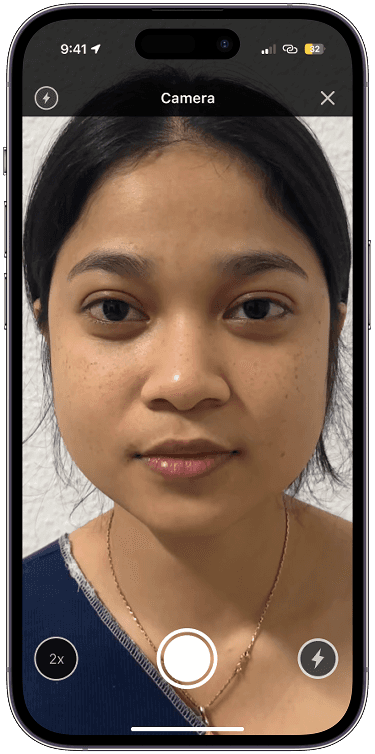
Scan your face for analysis:
The app begins with an onboarding process where you are prompted to take a selfie. Once your photo is captured, AI and data processing work together to analyze your skin’s characteristics such as skin type, texture, color, and more. All this information is securely stored on your device and used for future comparisons, allowing you to track your skin’s progress over time..
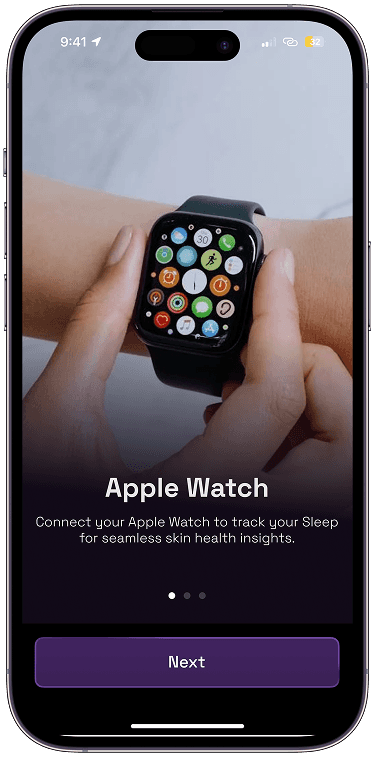
The AI Dashboard delivers instant facial scans that assess wrinkles, puffiness, acne, and dullness. By integrating health data from Apple Health and HidrateSpark, it links lifestyle habits with skin condition. Color-coded scores simplify complex information, enabling users to quickly understand their skin’s status.
The Predictive Timeline allows users to scroll through their skin’s projected condition over 1 month, 6 months, or 1 year, assuming current habits remain unchanged. AI-powered recommendations guide users on behavior changes that can positively influence their skin’s future, encouraging proactive self-care.
Using Smart Comparison to track visible changes and deliver emotional feedback:
The Smart Comparison feature enables users to select any two photos to view differences in hydration, pigmentation, and texture. It provides personalized emotional feedback such as, “Your skin was healthier 3 weeks ago—likely due to better sleep and hydration,” helping users connect lifestyle choices with skin health.